
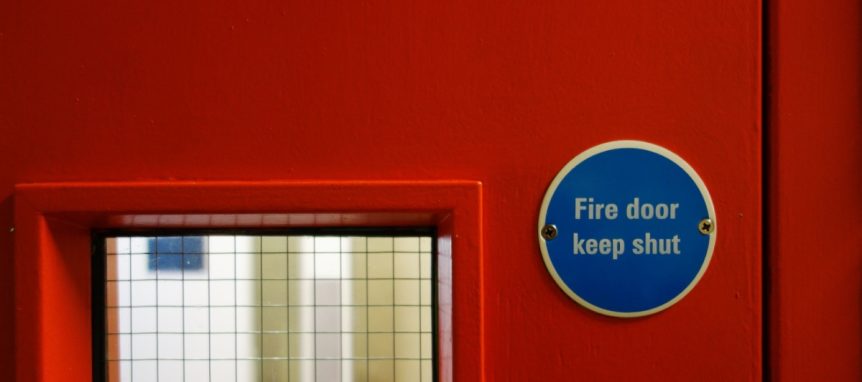
Fire safety is one of the most important responsibilities for any commercial property owner or facility manager. While alarms, sprinklers, and evacuation plans often receive the most attention, fire doors are equally critical in protecting lives and limiting property damage during an emergency. These specialized doors are designed to slow the spread of fire and smoke, helping occupants evacuate safely while giving emergency responders valuable time to act.
Understanding fire door requirements is essential for maintaining compliance with building codes and ensuring your facility is properly protected. Business owners who overlook these requirements may face failed inspections, liability risks, and serious safety concerns.
What Is a Fire-Rated Door?
A fire-rated door is a specially constructed door designed to resist fire and smoke for a specified amount of time. These doors are typically rated for 20, 45, 60, 90, or 180 minutes depending on the application and the level of protection required.
Fire-rated doors are not just the door slab itself. The entire assembly, including the frame, hinges, hardware, seals, and glazing components, must be tested and approved together to meet fire safety standards. If one component does not meet code requirements, the entire system can fail to perform properly during a fire.
These doors are commonly made from materials such as steel or hollow metal because of their durability and resistance to extreme heat.
Why Fire Doors Are Required
Fire doors are designed to compartmentalize a building and help contain flames and smoke within a limited area. This containment strategy slows fire spread and helps keep evacuation routes safer for occupants.
Commercial buildings often include fire-rated doors in areas such as:
- Stairwells
- Corridors
- Mechanical rooms
- Storage areas
- Multi-tenant separations
- Loading docks
- Emergency exits
Building and fire codes determine where fire-rated doors are required based on occupancy type, building size, and the use of specific spaces.
Without properly installed fire doors, fire and smoke can spread much more rapidly throughout a facility, increasing the risk of injury, structural damage, and loss of life.
Understanding Fire Ratings
The fire rating of a door indicates how long it can withstand exposure to fire under controlled testing conditions. The required rating depends on the location of the door within the building and the fire resistance rating of the surrounding walls.
For example, a door installed in a two-hour fire-rated wall may require a 90-minute fire door assembly. Stairwell doors, utility room doors, and occupancy separation doors often have specific rating requirements outlined by code.
Business owners should understand that using an unrated replacement door or making unauthorized modifications to a fire-rated door can void its certification and create compliance issues.
The Importance of Proper Hardware
Fire-rated doors must include approved hardware that allows them to function correctly during an emergency. Components such as hinges, closers, latching systems, and panic hardware are all critical to maintaining the integrity of the fire door assembly.
One of the most important requirements is that fire doors must close and latch properly. If a fire door is propped open or fails to close completely, it cannot effectively contain smoke and flames.
Panic hardware is often required on exit doors in commercial facilities to ensure occupants can exit quickly and safely during an emergency while maintaining building security under normal conditions.
Inspection and Maintenance Requirements
Installing a fire-rated door is only part of the responsibility. Fire doors must also be regularly inspected and maintained to ensure they remain compliant and operational.
Over time, doors can become damaged, misaligned, or modified in ways that compromise their fire resistance. Common issues include damaged seals, missing hardware, excessive gaps, or doors that no longer self-close properly.
Routine inspections help identify these problems before they become safety risks or code violations. Many commercial buildings are required to perform periodic fire door inspections to remain compliant with fire safety regulations.
Why Professional Installation Matters
Fire-rated doors are highly specialized systems that require precise installation. Even small installation mistakes can affect the door’s ability to perform during a fire.
Professional installers understand fire code requirements, hardware specifications, clearance tolerances, and proper mounting procedures. They ensure the door assembly is installed according to manufacturer standards and local building regulations.
Improper installation can lead to failed inspections, increased liability, and reduced protection during an emergency. Working with experienced commercial door professionals helps business owners avoid these costly issues.
Protecting Your Building and Occupants
Fire-rated doors play a vital role in commercial building safety by helping contain fire, protect evacuation routes, and support code compliance. Understanding fire door requirements allows business owners to make informed decisions that improve both safety and operational readiness.
B&B Door Company provides professional installation of commercial fire-rated door systems designed to meet building code requirements and support long-term safety. Whether you need new fire doors for a construction project or upgrades to an existing facility, their team can help ensure your building remains protected and compliant.
To learn more about commercial fire door solutions for your property, contact B&B Door Company today.