
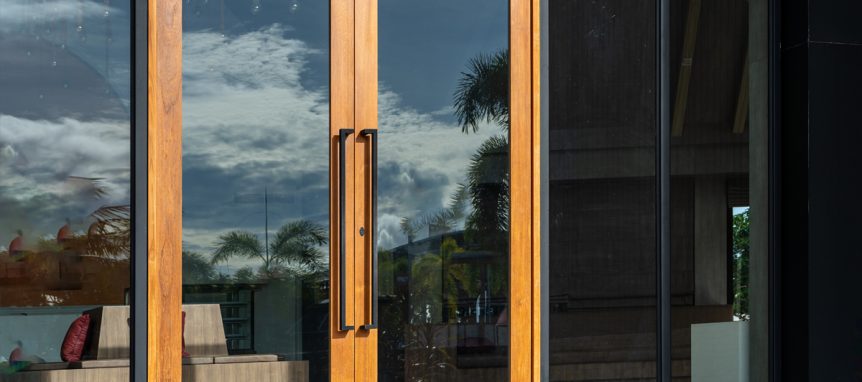
Workplace efficiency depends on many factors, from employee organization and equipment placement to the physical layout of a commercial facility. One element that can easily be overlooked is the door system. Commercial doors are used throughout the day to move employees, equipment, deliveries, and materials between different areas, making their design and operation an important part of everyday workflow.
A door that is difficult to operate, poorly positioned, or unsuitable for its application can create unnecessary delays. The right commercial door, on the other hand, can improve movement, reduce congestion, support workplace safety, and help employees complete their responsibilities more efficiently. Choosing doors around the actual needs of a facility can make a noticeable difference in how smoothly the workplace functions.
Keeping People and Materials Moving
Efficient movement is particularly important in warehouses, distribution centers, manufacturing facilities, and other busy commercial environments. Employees may need to move products and equipment through the same areas dozens or even hundreds of times during a typical workday.
Rolling and sectional doors can provide large openings for forklifts, delivery vehicles, and materials, while pedestrian doors create designated access points for employees. Separating different types of traffic can help prevent congestion and make it easier for everyone to move throughout the facility.
When door locations and configurations complement the building’s workflow, employees can spend less time navigating obstacles and more time completing productive work.
Choosing Doors for Frequent Operation
The frequency with which a door is used should influence the type of system selected. A door serving a busy operational area has very different requirements from one that is opened only occasionally.
High-speed doors can be useful in applications where openings need to be accessed frequently and minimizing delays is important. Automatic doors can improve movement in areas with significant pedestrian traffic by eliminating the need to manually open and close the entrance.
Matching the door system to its expected usage helps create a smoother workflow and prevents an unsuitable door from becoming an everyday source of frustration.
Reducing Workplace Bottlenecks
Bottlenecks can quickly reduce productivity, especially when multiple employees or pieces of equipment rely on the same access point. An opening that is too narrow, a door that operates slowly, or an entrance located in an inconvenient area can interfere with otherwise efficient processes.
Commercial door planning should account for the dimensions of equipment, typical traffic volume, and the direction in which people and materials travel. In some facilities, separate pedestrian and equipment entrances may improve movement significantly.
Evaluating these details before selecting a door can help businesses create access points that support rather than interrupt their normal operations.
Supporting Employee Safety
Efficiency and workplace safety often go hand in hand. When employees have clearly designated routes through a building, there is less need to cross areas used by forklifts, delivery vehicles, or other equipment.
Pedestrian doors can provide dedicated employee access, while vision panels may improve visibility around certain entrances. Automatic doors can make it easier for employees carrying materials to pass through an opening without struggling to operate the door manually.
Choosing the appropriate commercial door for each area helps create more predictable traffic patterns, which can contribute to a safer and better-organized workplace.
Making Better Use of Available Space
Commercial properties need to make effective use of every available area. The way a door operates can affect how much surrounding space remains available for storage, equipment, workstations, and other business needs.
Rolling doors travel vertically and coil above the opening, making them useful in applications where conserving surrounding space is important. Sectional doors operate along tracks and can provide an effective solution for many warehouses and commercial facilities.
Considering the space required for door operation before installation helps businesses avoid conflicts with equipment, shelving, utilities, and other building components.
Improving Access Without Sacrificing Security
Employees need convenient access to the areas required for their jobs, but businesses must also protect inventory, equipment, and restricted spaces. Commercial door systems can help balance these priorities.
Strong door construction and appropriate locking hardware can secure important areas while still allowing authorized employees to move efficiently through the facility. Pedestrian doors can also be incorporated into access strategies that separate employee entrances from larger operational openings.
A well-planned door system helps businesses maintain security without creating unnecessary barriers that slow everyday work.
Reducing Disruptions With Reliable Doors
A commercial door that frequently becomes difficult to operate can interrupt an entire workflow. If a loading area cannot be accessed or employees must work around a malfunctioning entrance, productivity can suffer until the problem is resolved.
Choosing durable commercial doors designed for their intended environment and usage helps promote dependable performance. Professional installation is equally important because proper alignment, hardware setup, and adjustment help the door operate correctly from the beginning.
Building a More Efficient Workplace
The right commercial door can contribute to workplace efficiency in ways that extend well beyond simply opening and closing. Properly selected doors can improve traffic flow, reduce bottlenecks, support employee safety, maximize usable space, and provide reliable access throughout the workday.
B&B Door Company provides commercial and industrial door solutions for businesses with a wide range of operational requirements. By considering the facility layout, traffic patterns, security needs, and expected frequency of use, their team can help identify a door system suited to the way your workplace operates. To discuss commercial door options for your facility, contact B&B Door Company today.